
English ![]()

No.7 Wolong Middle Road, Wolong Economic Park, Zhifu District, Yantai City, Shandong Province

Views: 0 Author: Site Editor Publish Time: 2026-09-02 Origin: Site
Choosing the right flat knitting needle is mainly a compatibility decision. A needle may look almost identical to the original part and still be unsuitable if its length, shank width, butt position, hook geometry, latch movement, or surface finish does not match the machine. In production, small mismatches can lead to unstable stitch formation, yarn damage, abnormal wear, or repeated stoppages.
A better selection process starts with the machine specification and then checks the needle itself. Machine model, gauge, original needle reference, yarn type, material, plating, and batch consistency should all be confirmed before bulk replacement.
The first step is to identify the exact computerized flat knitting machine. Record the manufacturer, machine model, gauge, and any available original needle code. These details define the mechanical environment in which the needle must operate.
A flat knitting needle does not work independently. Its butt follows the cam path, its shank moves inside the needle bed, and its hook and latch form loops under controlled timing. If one key dimension is wrong, the needle may fit into the bed but still perform incorrectly.
When the original needle is available, use it as a reference. Compare markings, overall dimensions, butt position, hook shape, and latch construction. If markings are unclear, send the supplier clear photos and measured dimensions together with the machine information rather than relying on visual similarity.
Gauge is one of the most important selection points because it relates to needle spacing and the needle-bed system. A needle intended for one machine configuration should not be assumed to fit another simply because the overall length appears similar.
Confirm the machine gauge from the machine plate, manual, maintenance record, or original spare-parts information. If a factory operates several gauges, spare needles should be identified and stored separately to avoid accidental mixing.
Fine-gauge production also demands especially consistent needle dimensions and smooth yarn contact because small variations become easier to see in the finished fabric.
A flat knitting needle specification contains more useful information than the product name alone. Length is only one dimension. Butt position, shank thickness, hook profile, latch size, and tip geometry can all affect machine operation.
XINYANG’s flat knitting needle range is produced for computerized textile machinery and includes the 89.75 Needle for Flat Knitting Machine. The specific model Vosa-Spec. 89.75-64T0016 illustrates the level of information buyers should verify before ordering.
For replacement purchasing, compare the complete specification with the original component. A “near match” creates unnecessary risk because small geometric differences can change needle movement or stitch formation.
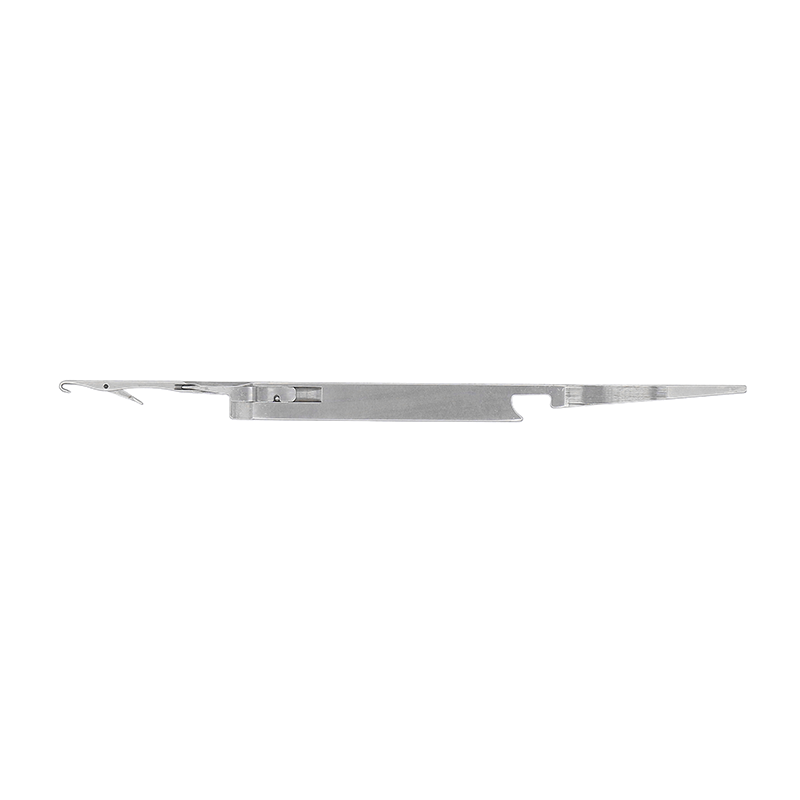
Image 1: XINYANG 89.75 Flat Knitting Needle
Material affects hardness, wear resistance, and long-term dimensional stability. Surface treatment affects corrosion protection and yarn contact.
XINYANG specifies high-carbon chromium steel for its 89.75 Needle for Flat Knitting Machine and uses nickel plating as the surface treatment. The official product information also lists a sharpened precision tip and identifies cotton, wool, polyester, cashmere, and blended fabrics among the applicable materials.
Do not assume every flat knitting needle uses the same steel or coating. Check the exact product specification. Hooks, latches, and shanks should also be free from obvious burrs, rough plating, rust, or deformation. Smooth yarn-contact surfaces are particularly important when working with fine wool or cashmere.
Machine compatibility comes first, but yarn provides another useful selection check.
Cotton, polyester, wool, cashmere, and blended yarns do not behave identically during knitting. Fine or delicate fibers can be more sensitive to rough hooks, plating defects, or irregular latch movement. Heavier yarns may place different wear demands on the needle.
When changing to a new supplier or producing a higher-value yarn, test a small quantity before bulk replacement. Run the trial on the actual machine with the intended yarn and normal production settings. Check loop consistency, yarn breakage, surface fuzzing, dropped stitches, and whether any needle position begins producing repeated defects.
| Selection Factor | What to Verify | Why It Matters |
|---|---|---|
| Machine model | Manufacturer and exact model | Establishes the correct needle system |
| Gauge | Exact machine gauge | Confirms needle-bed compatibility |
| Needle specification | Dimensions and reference code | Prevents near-match substitutions |
| Hook and latch | Shape and smooth movement | Affects yarn handling and loop formation |
| Material | Steel specification | Influences wear and durability |
| Surface treatment | Plating and finish quality | Affects corrosion and yarn contact |
| Batch consistency | Uniform dimensions and finish | Supports stable multi-needle operation |
Three areas deserve particular attention when comparing replacement needles: the hook, latch, and butt.
The hook should have the correct shape and a clean finish. The latch should open and close freely without sticking. The butt must match the cam system in position and shape so the needle follows the intended movement path.
These details are more important than overall appearance. Two needles can have similar lengths but different butt positions or hook geometry. When checking samples, compare several pieces rather than only one because a flat knitting machine uses many needles simultaneously.
Industrial users should evaluate the supplier as well as the individual needle.
XINYANG states that its precision flat knitting needles are manufactured using advanced Swiss and Japanese equipment and inspected for consistent quality. Its product category emphasizes durable steel, precision processing, and smooth operation.
For a new supplier, begin with a sample or controlled trial quantity. Compare dimensions across several needles, inspect plating and latch movement, and run them under normal production conditions. Move to larger replacement quantities only after the trial is stable.
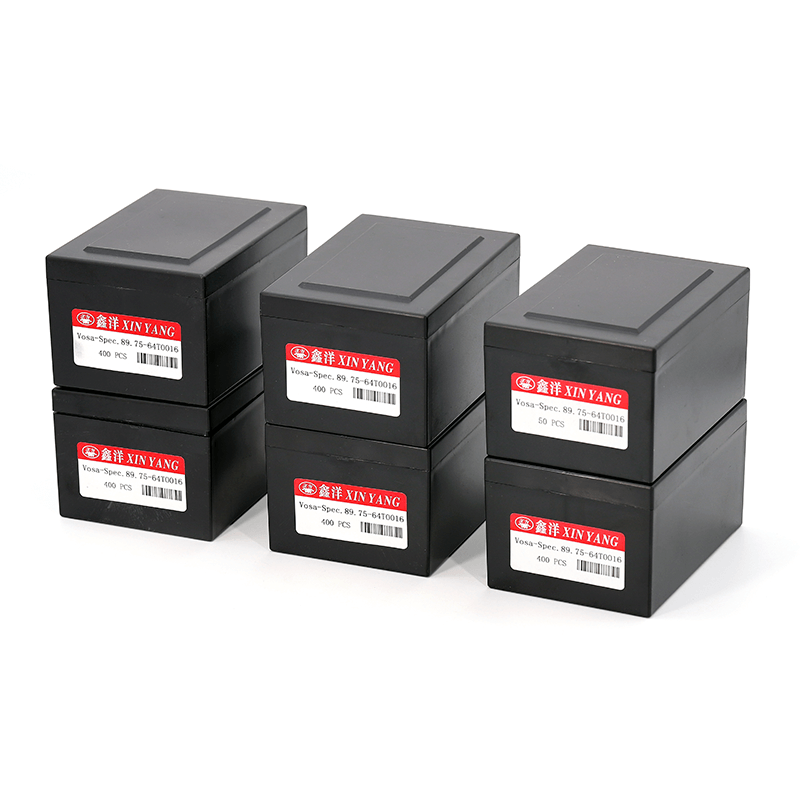
Image 2: XINYANG Flat Knitting Needle Packaging
Correct identification is important in factories that operate several machine models or gauges.
XINYANG lists 400-piece standard packaging and a 50-piece small-batch trial option for the 89.75 needle. The smaller quantity can be useful for compatibility checks before larger purchasing decisions.
Keep the model code and batch identification with the product. Do not mix visually similar needles from different machines in the same storage box. Clear stock identification reduces mistakes during maintenance and emergency replacement.
A common mistake is choosing by overall length alone. Another is assuming that any needle described as suitable for flat knitting machines will fit every machine.
Price-only selection can also create problems. A lower unit cost offers little value if inconsistent geometry causes more stops or fabric defects.
Finally, if the same needle position fails repeatedly, inspect the surrounding needle bed, jack, cam path, or related components rather than assuming every failure is caused by the replacement needle itself.
Start with the machine manufacturer, exact model, gauge, and original needle reference. Then compare dimensions, butt position, hook, latch, and surface finish with the replacement product.
No. Length is only one parameter. Shank width, butt geometry, hook design, latch structure, and other dimensions must also correspond to the machine.
Gauge relates to the machine’s needle spacing and needle-bed system. Confirming it helps avoid using a needle intended for a different mechanical configuration.
Check straightness, dimensions, hook finish, latch movement, butt position, plating quality, and overall surface condition. Compare several needles from the same batch rather than inspecting only one.
Yes, after machine compatibility has been confirmed. Fine or delicate yarns place greater importance on smooth yarn-contact surfaces, while different yarn structures can create different wear conditions.
For a new model or supplier, a controlled trial is advisable. Test the needles in the actual machine with the intended yarn and normal production settings before making a large replacement purchase.
Choosing the right flat knitting needle requires more than finding a part that looks similar to the original. Machine model, gauge, full needle specification, hook and latch geometry, material, surface treatment, yarn application, and batch consistency all contribute to the decision.
The most reliable process is to begin with machine identification, compare the original needle carefully, confirm the replacement specification, and then inspect or test samples before bulk purchasing.
XINYANG provides precision flat knitting needles for computerized textile machinery, including the 89.75 Needle for Flat Knitting Machine, with published information on material, surface treatment, applicable fabrics, packaging, and compatibility.
For production teams, this method turns needle purchasing from guesswork into a controlled technical decision. A correctly selected flat knitting needle should fit the machine system, handle the intended yarn smoothly, remain consistent across the batch, and support stable knitting quality during normal operation.


