
English ![]()

No.7 Wolong Middle Road, Wolong Economic Park, Zhifu District, Yantai City, Shandong Province

Views: 0 Author: Site Editor Publish Time: 2026-03-12 Origin: Site
In flat knitting machines, the solenoid is one of the most critical components for ensuring accurate and stable operation. It plays a key role in the needle selection system by using electromagnetic force to control the movement of needles during the knitting process. Because modern flat knitting machines operate at high speed and require precise pattern control, the performance of the solenoid directly affects fabric quality, production efficiency, and machine reliability. A poorly selected solenoid may lead to needle selection errors, machine stoppage, overheating, or increased maintenance costs. Therefore, choosing the correct solenoid for a flat knitting machine is essential for maintaining stable performance and long service life. When selecting a solenoid, several important factors must be considered, including voltage specification, response speed, durability, temperature resistance, compatibility with machine models, and the manufacturing quality of the supplier.
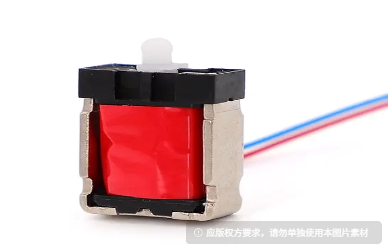
A solenoid for flat knitting machine is an electromagnetic component widely used in textile machinery to control mechanical movements through electrical signals. It converts electrical energy into linear motion, allowing different parts of the knitting machine to operate accurately and automatically. In modern textile equipment, solenoids are essential for achieving high-speed, high-precision, and stable production.
In flat knitting machines, the solenoid is mainly used in the needle selection system. It controls whether a needle works, stops, or changes position during the knitting process. By activating the solenoid through electrical signals, the machine can select needles according to the programmed pattern, which makes complex designs and automated knitting possible.
Modern flat knitting machines are usually equipped with computerized control or electronic jacquard systems. The solenoid works together with these systems to receive commands and perform fast switching actions. This cooperation allows the machine to run at high speed while still maintaining accurate pattern control and consistent fabric quality.
Because flat knitting machines operate continuously and require frequent needle selection, the solenoid must provide fast and accurate switching. A high-quality solenoid can respond quickly to control signals, reduce errors, and keep the knitting process stable even during long working hours.
A reliable solenoid used in flat knitting machines usually has several important features. It uses electromagnetic control to ensure precise movement, provides high-speed response to support modern high-speed knitting machines, offers long service life for industrial production, and maintains high precision to guarantee accurate needle selection and stable machine performance.
Flat knitting machines operate at high speeds, requiring precise control. A poor-quality solenoid can disrupt the knitting process, leading to performance issues.
Low-quality solenoids may not respond accurately, causing needle selection errors. This leads to faulty patterns, defective fabrics, and missed stitches.
Inaccurate solenoid action can result in uneven stitches and irregular fabric texture, impacting the quality and accuracy of the finished product.
Faulty solenoids lead to frequent breakdowns, increasing maintenance costs. Damaged parts require replacement, and increased downtime adds to production delays.
Malfunctioning solenoids can cause machine stoppages, halting production and leading to costly downtime, reducing overall factory efficiency.
Key performance factors for solenoids include:
Stability: Ensures consistent machine operation.
Accuracy: Guarantees correct needle selection and pattern formation.
Heat Resistance: Can handle high operational temperatures.
Durability: Withstands frequent use, reducing the need for replacements.
Solenoids for flat knitting machines typically operate at 12V or 24V. It is crucial that the solenoid's voltage matches the machine’s control system. Using the wrong voltage can damage the coil, leading to failure or reduced lifespan.
High-speed knitting machines require solenoids with fast response times. Slow solenoid action can result in pattern errors, causing fabric defects. Fast switching is especially important for computerized flat knitting machines to maintain precise control over needle selection.
The solenoid's durability is heavily influenced by the materials used. A high-quality solenoid should have a copper coil for efficient operation, a strong magnetic core for reliable performance, and heat-resistant insulation to prevent overheating. A wear-resistant structure ensures longer operational life.
It’s essential to choose a solenoid that is compatible with the specific brand of flat knitting machine. Solenoids designed for brands like Stoll, Shima Seiki, and Steiger ensure proper fit and performance. Additionally, solenoids must work well with Chinese flat knitting machines, ensuring broader compatibility.
Flat knitting machines operate for long hours, generating significant heat. Solenoids must be able to resist high temperatures to prevent breakdowns. Industrial-grade insulation helps enhance the solenoid's heat resistance, ensuring a longer service life in high-temperature environments.
Choosing an experienced solenoid manufacturer ensures consistent quality. Precision manufacturing and strict quality control are crucial for ensuring reliable solenoid performance. A supplier with a proven track record of stable production guarantees that you receive high-quality, durable products.
If the solenoid is not functioning correctly, it may fail to engage or disengage needles at the right time, causing needle selection errors. This can disrupt the knitting process and lead to defects in the fabric.
A malfunctioning solenoid may result in inaccurate needle positioning, causing pattern errors in the knitted fabric. This can lead to incorrect designs and wasted materials, impacting production efficiency and fabric quality.
Improper solenoid selection can trigger machine stop alarms due to faulty needle movements or electrical malfunctions. This interrupts the knitting process and causes unnecessary downtime.
A low-quality or incorrect solenoid may overheat due to poor insulation or mismatched specifications. Overheating can damage the coil, leading to permanent failure and costly repairs.
A solenoid that is not well-suited to the machine or operating environment will have a shorter lifespan. Frequent replacements are required, increasing the overall cost of operation and reducing machine uptime.
Wrong solenoid selection results in more frequent maintenance and repairs. This increases downtime, raises labor costs, and adds to the cost of spare parts, reducing overall profitability.
A reliable solenoid supplier should have years of experience in the industry. Experienced manufacturers are more likely to understand the technical requirements and challenges, ensuring the production of high-quality solenoids that meet your specifications.
Make sure the supplier uses advanced testing equipment to ensure the solenoids meet quality standards. Reliable suppliers conduct thorough testing, including checks for performance, durability, and electrical safety, to ensure that the solenoids will function properly under real-world conditions.
The quality of materials used in solenoid manufacturing directly affects its performance and lifespan. Ensure the supplier uses high-quality copper coils, strong magnets, heat-resistant insulation, and durable components. High-quality materials will result in solenoids with greater reliability and a longer service life.
If you are sourcing solenoids from international suppliers, check their export experience. Suppliers with a strong export track record are more likely to be reliable, as they understand international standards, regulations, and logistics, ensuring that your order arrives on time and meets quality expectations.
A reliable supplier should offer OEM (Original Equipment Manufacturer) services. This means they can customize solenoids according to your specific machine model and requirements, ensuring compatibility and optimal performance.
Consistency in production is key to maintaining quality. Ensure the supplier has standardized production processes, quality control measures, and sufficient production capacity to meet your demands regularly, without compromising on the reliability of the solenoids.
A solenoid controls needle selection through electromagnetic action, allowing the machine to knit patterns accurately and efficiently.
Most solenoids use 12V or 24V, but the exact voltage depends on the knitting machine model and control system.
A high-quality solenoid can last millions of cycles if made with good materials and proper insulation.
Choose a supplier with textile machinery experience, strict quality control, stable production, and compatibility with major flat knitting machine brands.
The solenoid is a crucial component in flat knitting machines, directly influencing their performance and efficiency. Selecting the right solenoid ensures stable machine operation, reduces the likelihood of mechanical issues, and helps maintain consistent fabric quality. By choosing a high-quality solenoid, manufacturers can minimize maintenance costs, extend the machine’s service life, and improve overall production efficiency. Working with a professional, experienced manufacturer is essential for ensuring long-term reliability and optimal performance, ultimately contributing to the success of your textile production processes.


