
English ![]()

No.7 Wolong Middle Road, Wolong Economic Park, Zhifu District, Yantai City, Shandong Province

Views: 0 Author: Site Editor Publish Time: 2026-03-13 Origin: Site
Solenoids are a key component in flat knitting machines, responsible for controlling the movement of needles and ensuring that the knitting process remains precise and efficient. Given the high-speed nature of flat knitting machines, the solenoids must perform optimally to guarantee smooth operation. However, like any mechanical component, solenoids can experience problems that affect machine performance, fabric quality, and production efficiency.
In this article, we will explore the most common solenoid problems in flat knitting machines, their causes, and how to address them to maintain consistent machine operation. Understanding these issues is crucial for minimizing downtime, improving the quality of knitted fabrics, and reducing maintenance costs.
Needle selection failure is one of the most common solenoid-related problems in flat knitting machines. A solenoid controls the activation and deactivation of needles based on the programmed pattern. When a solenoid malfunctions, the needle selection may not occur correctly, leading to irregular stitches and defects in the fabric.
There are several factors that can cause needle selection failure:
Electrical Malfunctions: Issues like a damaged circuit, wiring problems, or malfunctioning solenoid control boards can lead to improper activation of the solenoid, resulting in incorrect needle selection.
Poor Quality Solenoid: Substandard solenoids may have weaker electromagnetic forces, causing them to fail at triggering the needles properly.
Incorrect Voltage: If the solenoid is not receiving the correct voltage, it might fail to perform at optimal levels, leading to activation errors.
When needle selection fails, it affects both the quality and pattern of the knitted fabric. As the needles don’t move as expected, the knitting process becomes inconsistent, leading to visible defects in the fabric. These defects may include missed stitches, misaligned patterns, or uneven textures. Ultimately, needle selection failure results in fabric that does not meet production or quality standards.
Cause | Description | Impact on Machine |
Electrical Malfunctions | Problems with solenoid wiring or control boards. | Inconsistent needle movement, machine failure. |
Poor Quality Solenoid | Substandard solenoids fail to create sufficient electromagnetic force. | Irregular needle activation. |
Incorrect Voltage | Solenoid receives too much or too little power. | Needle misactivation or failure. |
Regular inspections of the solenoid and electrical components to identify and fix wiring issues.
Use high-quality solenoids that are rated for long-term performance and consistent power output.
Ensure correct voltage levels to maintain proper solenoid function.
In flat knitting machines, a fast solenoid response is critical for achieving high-speed operations and maintaining pattern accuracy. A slow or delayed solenoid response can cause misalignments in the needle selection, resulting in pattern errors or defects. The solenoid's ability to respond quickly ensures that the knitting process proceeds without interruption, and the needles move precisely according to the programmed pattern.
There are several reasons why a solenoid may not respond as quickly as required:
Worn-out Solenoid Components: Over time, the solenoid’s internal components, such as the coil or magnet, may wear out, resulting in slower response times.
Insufficient Power Supply: If the machine’s power supply is inconsistent or lacks the required voltage, the solenoid may not function at optimal speed.
Poor Solenoid Quality: Low-quality solenoids may have slower activation speeds due to inefficient materials or design.
Slow solenoid response directly impacts the machine’s ability to form accurate patterns. If the solenoid takes too long to activate or deactivate the needle, it can cause the pattern to be misaligned or incomplete. This can lead to defects in the fabric, such as uneven stitches or incorrect design patterns, ultimately compromising the overall quality of the product.
Cause | Description | Effect on Machine |
Worn-out Solenoid Components | Overuse or poor maintenance causes solenoid components to degrade. | Slow activation or delayed response. |
Insufficient Power Supply | Fluctuating or inadequate power delivery. | Solenoid response lag, leading to pattern errors. |
Poor Solenoid Quality | Low-quality components result in slower activation speeds. | Inaccurate needle movement, pattern misalignment. |
Use high-quality solenoids with a quick response rate and efficient power use.
Ensure a stable power supply to prevent voltage fluctuations and ensure solenoid functionality.
Regularly replace worn-out solenoid parts to maintain optimal machine speed and response time.
Overheating is a common problem in solenoids for flat knitting machines, especially when the machine operates continuously at high speeds. Excessive heat can lead to solenoid failure, reduced performance, and even permanent damage.
Overheating typically occurs due to the following reasons:
High Operating Temperatures: Flat knitting machines run for extended periods, and continuous operation generates heat. If the solenoid is not designed to handle such conditions, it may overheat.
Incorrect Voltage: A solenoid receiving too much voltage can cause it to overheat, damaging its internal components.
Inadequate Insulation: Solenoids with poor insulation may fail to dissipate heat properly, leading to overheating.
Overheating solenoids can cause a variety of issues, including:
Reduced Efficiency: Overheating leads to inefficient operation, as the solenoid’s ability to activate the needle is diminished.
Solenoid Failure: Prolonged overheating can permanently damage the solenoid, requiring costly repairs or replacement.
Safety Hazards: Excessive heat may pose a safety risk to operators and cause fire hazards if not properly addressed.
Cause | Description | Impact on Machine |
High Operating Temperatures | Extended running time leads to excessive heat. | Reduced solenoid efficiency, potential damage. |
Incorrect Voltage | Too much power causes internal overheating. | Solenoid failure, machine shutdown. |
Inadequate Insulation | Poor insulation reduces heat dissipation. | Permanent damage to solenoid, safety risk. |
Ensure proper voltage levels to avoid excess power and heat buildup.
Choose solenoids with high-quality insulation that can withstand prolonged use.
Incorporate cooling systems to dissipate heat and maintain solenoid temperature.
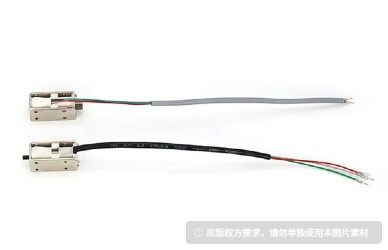
Electrical malfunctions are a frequent cause of solenoid failure in flat knitting machines. These issues can arise due to wiring problems, short circuits, or damaged control boards. Electrical malfunctions can cause the solenoid to behave unpredictably, leading to needle misactivation, pattern errors, and machine stoppages.
Common electrical problems include:
Blown Fuses: A blown fuse can interrupt the power supply to the solenoid, causing it to stop functioning.
Damaged Coils: A damaged coil can reduce the solenoid’s ability to generate the required electromagnetic force.
Faulty Wiring or Connections: Loose or frayed wiring can cause intermittent solenoid activation or complete failure.
Electrical issues in solenoids can lead to a range of problems, such as:
Intermittent Needle Selection: Poor wiring or damaged components can cause irregular or incomplete needle selection, disrupting the knitting process.
Machine Shutdown: Electrical malfunctions can lead to complete machine stoppages, resulting in costly downtime and reduced production efficiency.
Problem | Description | Impact on Machine |
Blown Fuses | Fuses protect against power surges; a blown fuse disrupts power to the solenoid. | Solenoid failure, machine stop. |
Damaged Coils | Worn or damaged coils reduce solenoid efficiency. | Irregular needle movement, pattern errors. |
Faulty Wiring | Loose or damaged wiring causes intermittent or failed solenoid activation. | Machine downtime, incomplete fabric patterns. |
Regularly inspect and replace fuses to prevent power interruptions.
Ensure proper wiring installation and check for damage periodically.
Use high-quality, durable components to reduce the risk of electrical failure.
Needle selection failure can be caused by electrical malfunctions, poor-quality solenoids, or incorrect voltage, which prevent the solenoid from activating needles properly. Additionally, improper wiring or control board issues can also interfere with the solenoid's function, leading to missed or incorrect needle movements. Regular maintenance and proper inspection can help identify these problems before they affect the machine’s operation.
To prevent solenoid overheating, ensure proper voltage is provided to the solenoid, use high-quality insulation to handle heat buildup, and incorporate cooling systems in the machine to dissipate heat during prolonged operation. Also, selecting solenoids designed for high-temperature environments and ensuring that the machine is regularly cleaned can help manage heat levels, improving the solenoid's efficiency and lifespan.
Delayed solenoid response may be caused by worn-out solenoid components, insufficient power supply, or low-quality solenoids, leading to pattern inaccuracies. Other factors such as environmental conditions, fluctuating voltage, or poor maintenance practices may also contribute to slower solenoid operation. Using high-quality solenoids and ensuring consistent power supply can help reduce response delays and improve machine performance.
To extend the solenoid’s lifespan, ensure the solenoid operates within the correct voltage range and regularly clean and inspect components to prevent wear and tear. Additionally, use high-quality solenoids that are built to withstand prolonged use and adverse conditions. Preventive measures, such as timely replacements of worn-out parts and proper machine calibration, will reduce strain on the solenoid and ensure optimal performance for a longer time.
Solenoids play an essential role in the operation of flat knitting machines, and problems related to them can lead to significant production issues. Needle selection failure, slow solenoid response, overheating, and electrical malfunctions are some of the most common solenoid-related problems in knitting machines. These issues can result in fabric defects, machine downtime, and increased maintenance costs.
By understanding the causes of these problems and taking preventive measures, manufacturers can improve the reliability and performance of their machines. Regular inspections, high-quality solenoids, and proper voltage management are key steps to maintaining smooth machine operations. When solenoids are properly maintained and function optimally, they contribute significantly to improving knitting machine efficiency and fabric quality.


