English ![]()

No.7 Wolong Middle Road, Wolong Economic Park, Zhifu District, Yantai City, Shandong Province


As a national high-tech enterprise and the largest manufacturer of Staubli M5-compatible Jacquard modules in China, YANTAI XINYANG ELECTRONICS integrates Swiss engineering precision with advanced Chinese manufacturing capabilities. Founded in 2002 and officially registered in 2006, the company operates 3 fully automated ISO 9001-certified assembly lines, boasting an annual production capacity of over 3,000,000 modules.
As a professional Google SEO-optimized product introduction, this page details the M5 Pulley With Bearing— a core component designed by YANTAI XINYANG HOME PRODUCTS (a leading China-based manufacturer of knitting machinery parts, precision gears, and Jacquard modules) to enhance the performance of M5 Jacquard systems and related knitting equipment. Below is a comprehensive overview of its functions, specifications, application solutions, and support services.
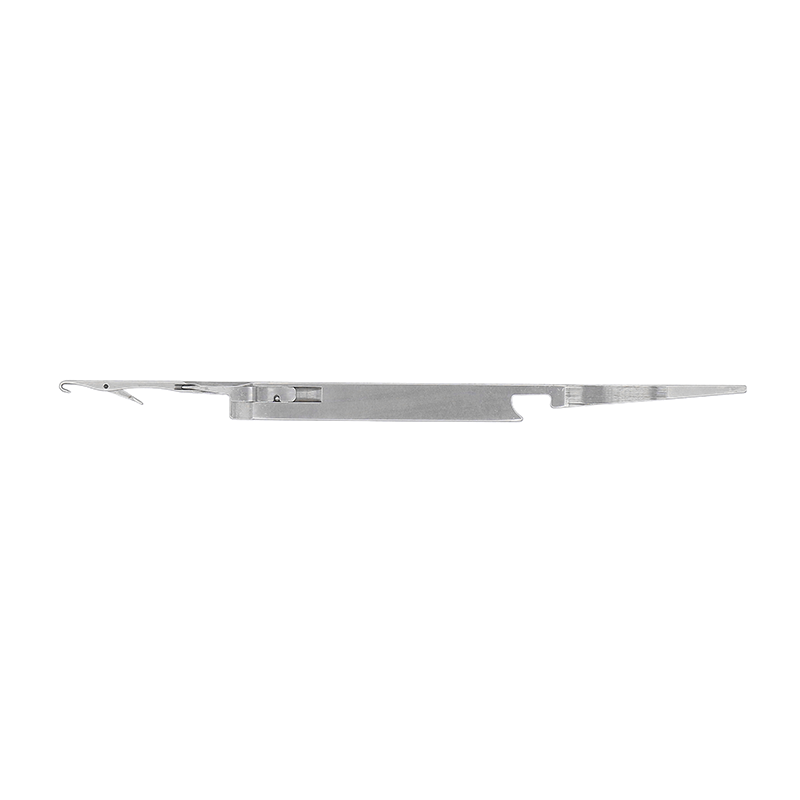
The 89.75 Needle (Vosa-Spec. 89.75-64T0016) is a high-precision knitting needle developed by XIN YANG for circular knitting machines and computerized flat knitting machines.
The Measure Instrument Gear by XIN YANG is a high-precision transmission component designed for measuring instruments, medical equipment, and automotive dashboards.
In high-speed textile manufacturing, the solenoid acts as the primary bridge between digital pattern commands and physical needle action. Substandard components disrupt this delicate timing mechanism. They lead to compounding downtime and unpredictable defect rates on the production floor.
Installing an untested flat knitting solenoid introduces unnecessary risk into your production line. It can trigger anything from minor needle misfires to catastrophic fabric defects and costly machine downtime.
Modern textile manufacturing moves at a blistering pace. High-speed needle selection demands absolute electromechanical precision on the factory floor. A single missed signal often creates scrapped fabric, jammed machinery, and frustrating production downtime.
While major automated control systems and cam arrangements often receive the most attention during equipment audits, the actual bottleneck in textile manufacturing frequently lies in the actuation layer: the solenoid.